
THINKING: housing
New Los Angeles ADU Ordinance: Height Bonus and Commercial Conversions Explained

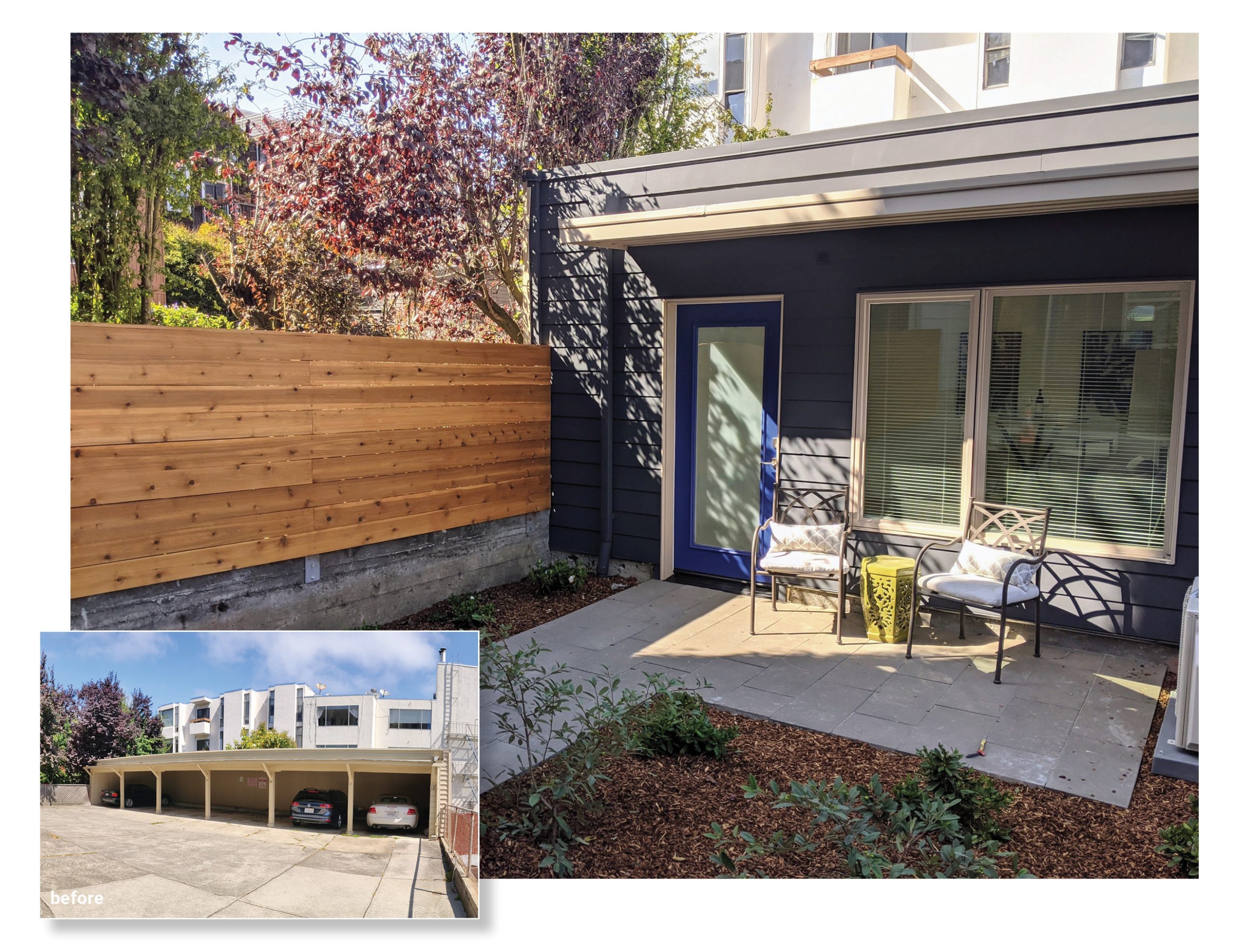
Los Angeles has proposed a new ADU ordinance that updates the city’s approach to accessory dwelling units, and two changes in particular deserve attention from property owners, developers, and housing advocates.
The proposed Los Angeles ADU ordinance updates the LAMC to align with California’s ADU law as recodified under Government Code Sections 66310–66342. Much of the document codifies existing state requirements, but buried within the ADU Bonus Program are two provisions that expand what’s possible beyond the baseline state minimums: an additional three feet of height for state ADUs, and a new pathway to convert commercial space on mixed-use lots into multifamily housing.
A Quick Primer: State ADUs vs. Ordinance ADUs in Los Angeles
Before getting into the specifics, it helps to understand the distinction the new LA ordinance draws between two categories of ADUs.
Ordinance ADUs are units created under the city’s own local standards — they follow LAMC development requirements for setbacks, floor area, height, and use.
State ADUs are units created under California Government Code Section 66323, which sets a floor of what cities must allow regardless of local zoning. These are the ministerial, by-right units that state law has progressively expanded since 2020.
The four main types of state ADUs under Section 66323 are:
- Interior conversions within single-family homes or accessory structures
- One detached ADU up to 800 square feet on a single-family lot
- Interior conversions of non-livable space (storage rooms, garages, basements, boiler rooms, etc.) in multifamily buildings — up to 25% of existing units
- Detached ADUs on multifamily lots — up to eight units, or equal to the existing unit count, whichever is less
The ordinance also adds a sixth category: conversions of “any existing enclosed or partially enclosed space within or wholly beneath a legally permitted structure,” including crawlspaces, attics, mezzanines, and similar areas — clarifying that these can be converted regardless of whether they were previously counted as floor area. This was typically allowed in other jurisdictions but not in Los Angeles – which caused ADU projects to get rejected. This would be an important clarification.
Change #1: ADU Height Limit Increase: Three Additional Feet Under the Bonus Program
Under state law, detached ADUs are subject to height limits that vary based on the lot configuration and proximity to transit. The typical baseline for a detached state ADU on a single-family or multifamily lot is 16 feet, with allowances up to 18 or 25 feet in certain circumstances defined by Government Code Section 66321(b)(4).
Los Angeles’s proposed ordinance adds three feet on top of those state height limits through the ADU Bonus Program. This additional height applies to:
- Detached state ADUs on single-family lots (Section 66323(a)(2))
- Detached state ADUs on multifamily lots (Section 66323(a)(4))
- Detached ordinance ADUs subject to the height standards in the ordinance
This is a big improvement as many projects were designed with the first floor set below grade in order to fit a two story ADU under the 18’ height limit. This will reduce cost and improve the quality of these units substantially.
Change #2: Commercial Space to ADU Conversions on Mixed-Use Lots
The second significant change concerns mixed-use properties — specifically, ground-floor commercial, retail, or office space that sits on a lot that also has residential uses.
Under the existing state ADU framework, interior conversions on multifamily lots (the 25% rule under Section 66323(a)(3)) apply to non-livable space within the residential portions of the building: storage rooms, boiler rooms, garages, recreation rooms, basements, passageways, and attics. Commercial space on the ground floor of a mixed-use building has generally not been eligible for this pathway.
The proposed ordinance makes ground-floor commercial, retail, and office space eligible for conversion to ADUs through the ADU Bonus Program, for lots within a residential or mixed-use zone. In Los Angeles, a significant number of apartment buildings have ground-floor retail, parking podiums with small commercial suites, or mixed-use frontages where the commercial component is underperforming or vacant.
The ADU Bonus Program does carry one meaningful prerequisite for commercial conversions: the space must have received its Certificate of Occupancy at least two years prior to the ADU application. Beyond that, the conversion must conform to the state ADU conversion provisions that govern interior multifamily conversions — meaning each unit must meet state building standards for dwellings, and the units count toward the 25% cap on interior conversions of non-livable space. Notably, the Bonus Program’s other provisions — the height bonus, setback flexibility, expanded floor area minimums — are each listed as separate, independent allowances. A property doesn’t need to qualify for all of them to use any one of them.
What This Means in Practice for Los Angeles Property Owners
This means that many two story units could be added without excavation using conventional framing, and projects that are marginal (or do not pencil) under the current ADU law may finally start to make sense.
This also unlocks the ability to add ground floor units in commercial space – something people have been asking for since the state ADU laws expanded in 2020.
OpenScope and ADU Work in Los Angeles
OpenScope Studio has been working on Multifamily ADU design, policy, and strategy across California for years. We’ve helped clients navigate state ADU law in jurisdictions ranging from San Diego to Mendocino County and we’re actively tracking how Los Angeles’s regulatory framework is evolving.
If you own a multifamily or mixed-use property in LA and want to understand how the new Los Angeles ADU ordinance affects your options, reach out to us. We’re happy to walk through what’s possible under both the state ADU framework and the local ordinance.